


Which Factors Determine the Reliability of a High-Quality Integrated Solar Street Light?
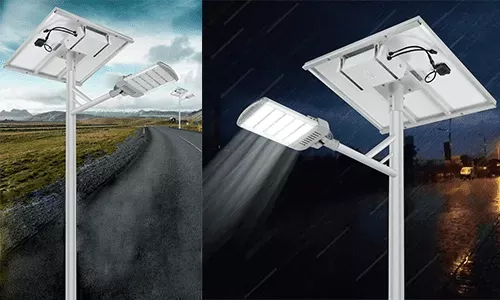
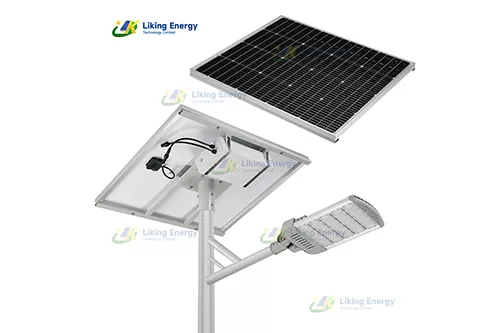
A reliable solar street light is not defined by LED power alone. Long-term performance depends on how well the solar panel, battery, LED module, controller, enclosure, thermal design, and intelligent control system work together. A high-quality system should maintain stable lighting output through repeated charging and discharging cycles, temperature changes, rain, dust, and periods of reduced sunlight. For buyers evaluating an integrated solar street light, the most important question is therefore not simply how bright the fixture is, but whether its complete energy and lighting system is engineered for dependable outdoor operation.
What Makes a Solar Street Light Reliable?
Solar street light reliability can be evaluated through five interconnected areas: energy generation, energy storage, lighting efficiency, electronic control, and mechanical protection. A weakness in any one of these areas can affect the entire fixture.
| Reliability factor | What to evaluate | Why it matters |
|---|---|---|
| Solar panel | Cell efficiency, material quality, power output | Determines how effectively sunlight is converted into usable energy |
| Battery | Battery chemistry, capacity, cycle life, protection | Controls nighttime runtime and energy availability during cloudy periods |
| LED system | LED efficiency, lifetime, thermal performance | Affects light output, energy consumption, and service life |
| Controller | Charging control, protection functions, sensing logic | Protects the battery and coordinates system operation |
| Enclosure | IP rating, material, sealing and corrosion resistance | Protects internal electronics from outdoor environmental exposure |
The key point is that these components should be assessed as a system rather than as isolated specifications. A large solar panel cannot compensate for an undersized battery, while a high-capacity battery cannot solve poor charging efficiency or excessive LED power consumption.
How Does Solar Panel Quality Affect System Reliability?
The solar panel is the primary energy-generation component, so its performance directly influences whether the light can maintain sufficient energy reserves. Buyers should look beyond nominal wattage and examine panel efficiency, cell quality, construction, and how the panel is integrated into the fixture.
High-efficiency monocrystalline silicon panels are particularly useful when installation space is limited or when the lighting system needs to maximize energy generation from available sunlight. Stable power generation also reduces the risk of the battery entering a prolonged low-charge condition.
Another important consideration is the relationship between panel capacity and the complete lighting load. A panel should provide enough daily energy not only for normal nighttime operation but also to rebuild the battery reserve after cloudy or rainy weather. This energy balance is one of the most important indicators of whether a solar street light has been properly engineered.
Why Is Battery Quality Critical to Long-Term Performance?
In practical applications, the battery is one of the components most closely associated with nighttime reliability. Solar energy is generated during the day, but lighting demand occurs primarily after sunset. The battery therefore acts as the bridge between energy generation and lighting operation.
Battery selection should consider chemistry, usable capacity, charging characteristics, temperature tolerance, protection functions, and expected cycle life. Grade A lithium batteries can provide a strong foundation for applications requiring repeated daily charging and discharging.
However, capacity should not be judged by watt-hours alone. A reliable system must maintain an appropriate relationship between battery capacity, solar panel output, LED load, operating hours, and local solar conditions. Oversizing one component while undersizing another can increase cost without necessarily improving system reliability.
What Role Does the Controller Play in Reliability?
The controller is often less visible than the LED or solar panel, but it has a major influence on system stability. It manages charging, battery protection, lighting schedules, and in some configurations, motion or light sensing.
A well-designed intelligent controller can help prevent operating conditions that unnecessarily stress the battery. It can also coordinate lighting output according to programmed schedules or sensor input, reducing energy consumption when full lighting performance is not required.
Protection functions are equally important. Overcharging, excessive discharge, abnormal current, and other electrical conditions can shorten component life if they are not properly managed. For this reason, buyers should ask manufacturers what control and protection functions are built into the system rather than evaluating the controller only by its rated voltage or current.
Does an Inbuilt Design Improve Solar Street Light Reliability?
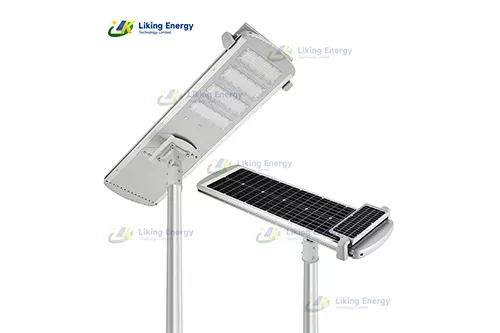
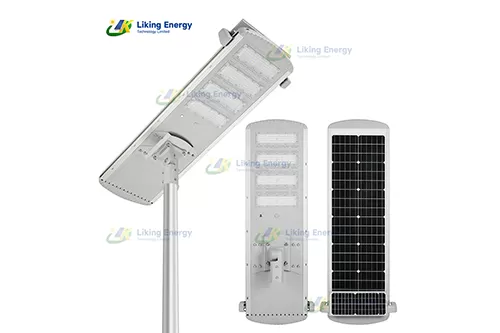
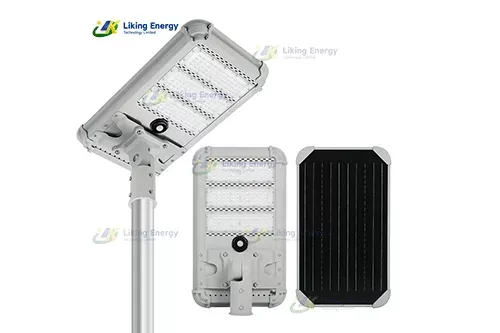
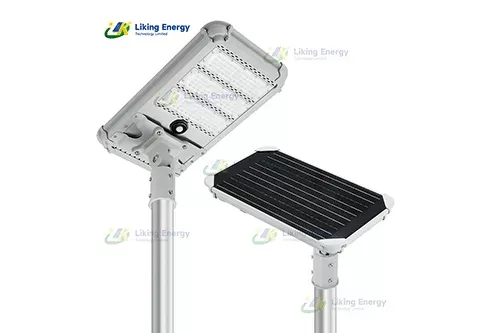
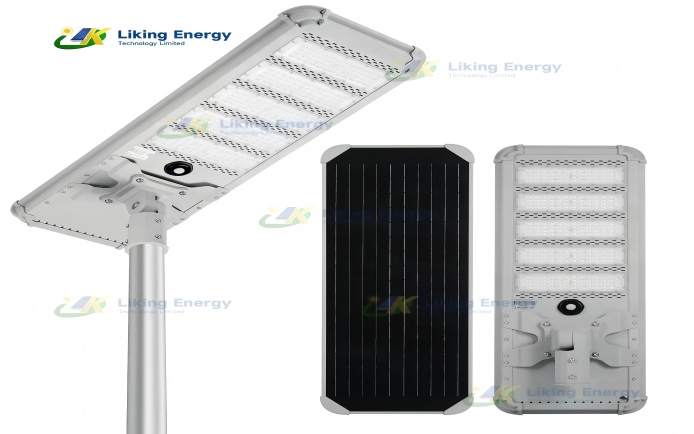
The physical arrangement of components can influence reliability just as much as electrical specifications. An inbuilt solar street light places major components within a compact integrated housing, reducing the number of exposed external connections and simplifying the overall installation structure.
For an integrated fixture, internal component arrangement becomes especially important. The battery, controller, LED module, and other electrical components need sufficient protection and appropriate thermal management. Poor internal layout can create localized heat accumulation or make maintenance unnecessarily difficult.
A robust integrated design therefore requires more than simply putting multiple components into one housing. The enclosure, sealing, heat dissipation, electrical connections, and serviceability must be considered together. A well-engineered die-cast aluminum alloy housing, for example, can provide structural strength while supporting heat dissipation from the lighting system.
How Important Is the IP Rating for Outdoor Reliability?
Solar street lights operate continuously outdoors, where rain, dust, humidity, and temperature fluctuations can affect electrical components. The enclosure must therefore provide an appropriate level of environmental protection.
An IP66-rated housing, for example, provides strong protection against dust ingress and powerful water jets. This is particularly relevant for installations exposed to heavy rain or dusty environments. Buyers should nevertheless evaluate the complete fixture rather than assuming that a high IP rating alone guarantees long-term durability.
Seals, cable entry points, connectors, housing joints, and the quality of assembly all contribute to actual environmental resistance. Corrosion resistance is also important for installations in coastal or humid environments.
Why Do LED Efficiency and Thermal Management Matter?
LED efficiency affects both lighting performance and energy consumption. Higher luminous efficiency means that more visible light can be produced from the available electrical energy, allowing the system to achieve the required illumination with better energy utilization.
Thermal management is closely connected to LED reliability. Excessive operating temperature can accelerate degradation of electronic components and reduce long-term performance. A fixture designed with effective heat dissipation can help maintain more stable LED operation over time.
High-quality LED components such as Philips or Osram LEDs, combined with appropriate thermal design, can support consistent lighting performance. For demanding outdoor projects, buyers should therefore evaluate both the stated LED lifetime and the engineering measures used to achieve it.
What Should Buyers Check Before Choosing a Solar Street Light Supplier?
Supplier evaluation should go beyond price and product appearance. A reliable all in one solar street light supplier should be able to explain how its products are tested, how components are selected, and how the system is configured for different project requirements.
Useful questions include:
What battery chemistry and grade are used?
What solar panel technology is used?
What protection functions are included in the controller?
What IP rating has the complete fixture achieved?
How is heat generated by the LED system dissipated?
What certifications and quality-management standards are available?
Is the product tested under realistic charging and operating conditions?
What warranty and technical support are provided?
Certification can provide an additional quality reference. For example, products manufactured under ISO 9001 quality-management systems and carrying relevant certifications such as TUV, FCC, CE, or RoHS demonstrate that the manufacturer has established defined quality and compliance processes.
A Practical Reliability Scorecard for Project Buyers
For procurement teams, reliability can be assessed using a simple component-by-component scorecard rather than relying on a single headline specification.
| Evaluation area | High-reliability characteristics |
|---|---|
| Energy generation | High-efficiency solar panel with appropriate power reserve |
| Energy storage | Quality lithium battery with suitable capacity and protection |
| Lighting | High-efficiency LEDs with effective heat dissipation |
| Control | Intelligent charging, discharge and lighting management |
| Protection | Weather-resistant housing and protected electrical connections |
| Manufacturing | Consistent assembly, testing and documented quality control |
| After-sales support | Clear warranty, technical documentation and project assistance |
How Can Buyers Reduce the Risk of Premature Failure?
The best approach is to evaluate the complete system before purchase. Avoid selecting a product solely because it has a high LED wattage, large battery, or attractive price. Instead, compare the relationship between solar generation, storage capacity, lighting load, controller performance, environmental protection, and expected operating conditions.
It is also useful to request detailed technical specifications and project references before placing a large order. Manufacturers with experience in outdoor solar lighting should be able to explain how their products perform under different environmental and operational conditions.
Final Takeaway
The reliability of a high-quality integrated solar street light comes from system engineering rather than a single component. Efficient solar panels, dependable batteries, intelligent controllers, high-quality LEDs, effective thermal management, robust enclosures, and consistent manufacturing processes all contribute to long-term performance. For buyers, the most reliable choice is the system whose components are properly matched, thoroughly protected, and supported by verifiable quality and testing practices.