


How to Evaluate the Long-Term Reliability of a High-Power Solar LED Garden Light?
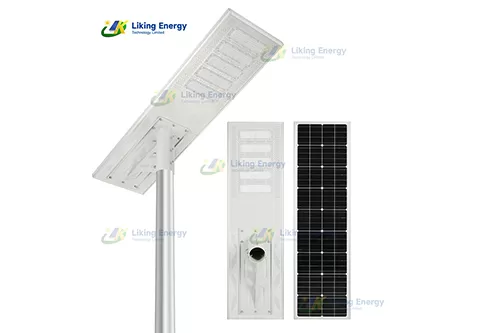
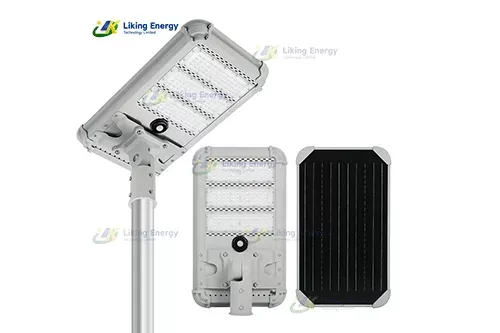
A high-power solar LED garden light should be evaluated by how consistently it performs after months and years of outdoor operation, not simply by its initial brightness or rated wattage. Long-term reliability depends on battery aging, solar panel performance, LED degradation, controller stability, thermal management, enclosure protection, structural durability, and maintenance requirements. For commercial and municipal projects, buyers should therefore look beyond the initial product specification and evaluate whether the lighting system can maintain its intended performance under real outdoor conditions.
What Determines the Long-Term Reliability of a Solar LED Garden Light?
Long-term reliability is the result of several components working together. A solar garden light may contain high-quality individual parts, but poor integration between those components can still lead to performance problems.
| Reliability factor | What should be evaluated? | Potential long-term impact |
|---|---|---|
| Solar panel | Cell quality, conversion efficiency, durability | Gradual reduction in available charging energy |
| Battery | Chemistry, cycle life, usable capacity | Reduced nighttime runtime as capacity declines |
| LED module | Efficiency, component quality, thermal management | Changes in light output and energy consumption |
| Controller | Charging control and electrical protection | Battery stress or unstable system operation |
| Housing | Material, sealing, IP protection | Moisture, dust, and corrosion-related problems |
| Mounting structure | Mechanical strength and connection quality | Loosening, vibration, or fixture movement |
This means that product reliability should be assessed as a complete system. A larger battery cannot compensate for inadequate charging, and a high-output LED cannot compensate for poor thermal management or insufficient environmental protection.
How Does Battery Aging Affect Lighting Performance?
The battery is one of the most important components when evaluating long-term solar lighting performance. Every night of operation consumes stored energy, and the battery is repeatedly recharged during daylight hours. Over time, this repeated cycling can gradually reduce usable capacity.
LiFePO4 batteries are widely used in modern solar lighting because their characteristics are well suited to repeated charge and discharge cycles. However, battery life still depends on operating temperature, charging conditions, discharge depth, protection functions, and system configuration.
For project buyers, the important question is therefore not simply “How large is the battery?” but “How will the battery perform after extended cycling?” A manufacturer should be able to provide information about battery chemistry, capacity, protection, operating conditions, and expected service performance.
Can Solar Panel Degradation Affect System Reliability?
Yes. The solar panel must continue generating sufficient energy throughout the lighting system's service life. Even gradual reductions in energy-generation capability can become important when the system operates close to its minimum energy requirement.
High-efficiency monocrystalline silicon panels can provide strong energy conversion performance, but installation conditions also influence actual output. Dust accumulation, shading, incorrect orientation, and seasonal changes in sunlight can all reduce the amount of energy reaching the battery.
For this reason, buyers should consider both panel durability and installation conditions. A high-quality panel installed in a shaded location may perform worse than a properly positioned panel with a lower nominal rating.
What Causes LED Performance to Decline Over Time?
LEDs are generally known for long operating life, but their performance can still change as operating hours accumulate. The most important factors include LED component quality, operating temperature, current management, and heat dissipation.
High-efficiency LEDs can reduce the electrical energy required to produce the desired lighting output. This benefits the overall solar system because lower energy consumption places less demand on the battery and solar charging system.
Thermal management is particularly important for high-power fixtures. When an LED module operates at a higher load, the housing and heat-dissipation structure need to move heat away from sensitive components effectively. A product's stated LED lifetime should therefore be considered together with its thermal design rather than viewed as an isolated specification.
Why Does Enclosure Quality Matter After Years of Outdoor Exposure?
Outdoor lighting fixtures experience conditions that indoor electrical products do not. Rain, dust, humidity, ultraviolet exposure, temperature fluctuations, and airborne contaminants can gradually affect housings and electrical components.
The enclosure should provide appropriate protection for the intended installation environment. IP protection is an important reference, but the actual reliability of a fixture also depends on seals, housing joints, cable entries, connectors, and manufacturing quality.
Material selection is another consideration. Aluminum alloy housings can provide a combination of mechanical strength, corrosion resistance, and heat dissipation when properly designed. For installations in coastal or highly humid areas, buyers should pay particular attention to corrosion-resistant materials and protective finishes.
How Can Maintenance Requirements Affect Lifecycle Cost?
Maintenance is often overlooked when buyers compare solar lighting products. Yet even a reliable lighting system may require periodic inspection and cleaning to maintain its intended performance.
For example, accumulated dust or dirt on a solar panel can reduce the amount of sunlight reaching the photovoltaic cells. Physical damage, loose connections, or changes in the mounting structure can also affect system performance.
Proper solar street light maintenance practices can therefore help preserve energy-generation efficiency and identify potential problems before they develop into major failures. Although garden lighting and street lighting may have different installation environments, the same basic maintenance principle applies: regular inspection is generally less costly than waiting for a complete system failure.
What Maintenance Tasks Should Be Included in a Long-Term Plan?
A practical maintenance program does not need to be complicated. The frequency should depend on the environment, installation location, and project requirements.
| Maintenance item | What to inspect | Why it matters |
|---|---|---|
| Solar panel | Dust, dirt, shading, physical damage | Maintains charging efficiency |
| Lighting head | Light output, housing condition | Identifies LED or electrical problems |
| Battery system | Operating behavior and charging performance | Helps identify capacity-related problems |
| Connections | Cables, connectors, fastening points | Reduces electrical and moisture-related risks |
| Mounting structure | Bolts, brackets, alignment | Maintains mechanical stability |
| Housing | Seals, cracks, corrosion | Preserves environmental protection |
For large installations, maintenance records can also help project managers identify recurring issues and determine when specific components may require replacement or additional inspection.
How Important Is Thermal Management for High-Power Garden Lights?
Thermal management becomes increasingly important as lighting power increases. Electrical energy consumed by the LED system is not converted entirely into visible light; some energy is released as heat. If that heat is not effectively dissipated, operating temperatures can rise.
Excessive heat can affect LED performance and may also influence nearby electronic components. A properly designed housing should therefore provide an effective path for heat to move away from critical components.
This is one reason buyers should avoid evaluating high-power products solely by wattage. The higher the output requirement, the more important it becomes to examine the engineering behind heat dissipation and component placement.
What Role Does the Manufacturer Play in Long-Term Reliability?
Long-term reliability is influenced not only by product design but also by manufacturing consistency. Two products with similar specifications can perform differently if their component sourcing, assembly processes, quality control, or testing standards differ.
An experienced solar lighting manufacturer should be able to provide consistent specifications, quality-control information, testing documentation, and technical support. This becomes particularly important when a buyer is purchasing hundreds of fixtures for a single project.
Manufacturing quality should be evaluated at several levels, including incoming component inspection, assembly consistency, electrical testing, finished-product inspection, and packaging. Consistency between production batches is just as important as the performance of an individual sample.
What Quality Certifications Should Buyers Check?
Certifications can provide useful evidence that a manufacturer has established formal quality and compliance procedures. Depending on the target market and product configuration, buyers may encounter standards and certifications such as ISO 9001, CE, RoHS, FCC, or TUV-related testing.
ISO 9001 is particularly relevant from a manufacturing perspective because it relates to quality-management processes. Product-specific certifications and test reports can provide additional evidence of electrical safety, electromagnetic compatibility, environmental requirements, or material compliance.
However, certifications should not replace technical evaluation. Buyers should still compare actual product specifications, component quality, environmental protection, testing procedures, and project requirements.
How Can Buyers Evaluate Reliability Before Placing a Large Order?
Before committing to a large project, buyers can use a structured evaluation process:
Review the complete technical specification. Check solar panel, battery, LED, controller, housing, and operating parameters.
Verify component quality. Ask about battery chemistry, LED manufacturer or technology, solar panel type, and controller functions.
Review environmental protection. Confirm the IP rating and suitability for the installation environment.
Examine testing procedures. Determine how finished fixtures are tested before shipment.
Request project references. Previous installations can provide useful evidence of real-world performance.
Evaluate after-sales support. Clarify warranty coverage, replacement procedures, and technical assistance.
This process is more informative than comparing price and wattage alone. It also allows procurement teams to identify potential lifecycle risks before installation begins.
Should Buyers Focus on Initial Price or Total Lifecycle Cost?
For large outdoor lighting projects, lifecycle cost is often more meaningful than the initial purchase price. A lower-priced fixture may appear attractive initially but become more expensive if it requires frequent maintenance, premature battery replacement, or repeated troubleshooting.
A higher-quality product can provide better value when it maintains stable performance, reduces maintenance requirements, and minimizes replacement frequency over its operating life.
Lifecycle cost should therefore include the purchase price, installation, routine maintenance, component replacement, labor, transportation, and potential downtime. This approach provides a more realistic comparison between competing solar lighting solutions.
What Are the Warning Signs of a Low-Reliability Product?
Several characteristics should prompt additional questions during procurement:
The supplier focuses heavily on LED wattage but provides little battery information.
Solar panel specifications are incomplete or difficult to verify.
There is no clear information about controller protection functions.
The IP rating of the complete fixture is unclear.
Warranty conditions are vague.
Technical specifications vary between product documents.
The manufacturer cannot explain its testing or quality-control process.
There is little evidence of experience with comparable outdoor projects.
None of these points automatically means that a product is unsuitable, but they indicate areas that should be clarified before purchase.
How Should High-Quality Solar Garden Lights Be Evaluated as a Complete System?
The most effective approach is to evaluate the product from the perspective of its entire operating lifecycle. Solar generation, energy storage, lighting efficiency, thermal management, environmental protection, mechanical design, and maintenance should all support the same performance objective.
For example, increasing LED output without increasing available energy may shorten operating time. Increasing battery capacity without sufficient charging capability may not provide the expected benefit. Likewise, a durable electrical system can still experience problems if moisture enters through a poorly protected connection.
This system-level perspective is especially important when comparing high quality solar garden lights for commercial, landscape, park, courtyard, or large outdoor applications.
Final Takeaway
The long-term reliability of a high-power solar LED garden light should be measured by its ability to maintain useful lighting performance under repeated outdoor operation, not simply by its initial specifications. Battery durability, solar panel performance, LED efficiency, thermal management, enclosure protection, mechanical construction, maintenance requirements, and manufacturing consistency all contribute to lifecycle performance.
For project buyers, the best decision is to evaluate the complete system, verify the manufacturer's technical capabilities, and consider total lifecycle cost rather than focusing only on initial price or nominal wattage. A well-engineered solar lighting system can provide more predictable performance, lower maintenance risk, and stronger long-term value for demanding outdoor projects.